
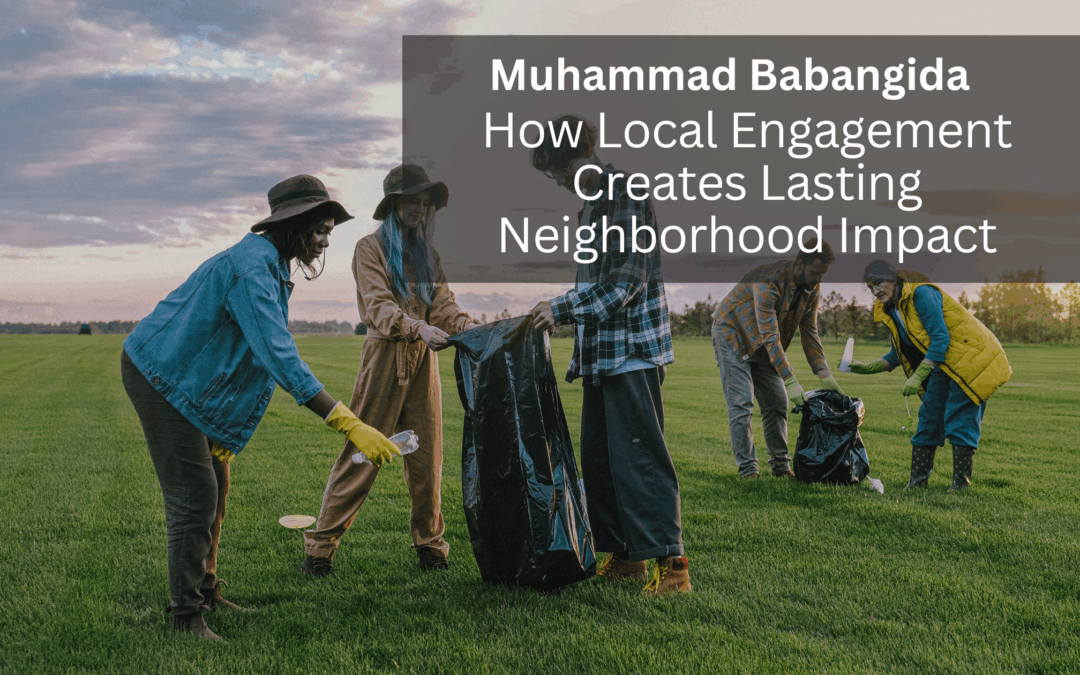
In every community, from quiet suburban blocks to bustling urban corridors, the heartbeat of a thriving neighborhood is the people who actively invest in its growth. Local engagement isn’t just about showing up—it’s about choosing to participate, connect, and contribute in ways that strengthen the fabric of a shared home. In an era where digital communication often outweighs face-to-face interaction, intentional involvement at the neighborhood level has become more meaningful than ever.
Local engagement creates lasting impact because it builds trust, improves quality of life, and helps communities adapt to changing needs. Whether it’s a small business sponsoring a youth team, a resident organizing a cleanup drive, or neighbors working together on urban improvement projects, these collective actions enhance the sense of belonging and pride that keeps a neighborhood strong. Here’s how—and why—it matters.
1. It Strengthens Social Connections and Fosters Trust
At the core of every resilient community is trust. And trust isn’t built through grand gestures; it forms through repeated interactions—small conversations at a local café, waving to neighbors, or participating in a shared project. When people know each other by more than just their car model or apartment number, a sense of security grows.
Engaged neighborhoods experience:
-
Higher levels of collaboration during community issues
-
Greater willingness to help during emergencies
-
More support for vulnerable or elderly residents
These relationships create a social safety net. Even something as simple as attending a community meeting or volunteering at a neighborhood center helps strengthen the bonds that turn strangers into allies.
2. Local Engagement Improves Community Health and Safety
Neighborhoods with active civic involvement tend to experience better public health and lower crime rates. This isn’t accidental—when people feel connected to their environment, they naturally take more responsibility for it.
Community-driven safety initiatives—like neighborhood watch groups, park revitalization projects, or youth engagement programs—help reduce risks and increase accountability. Similarly, health-focused events such as local fitness clubs, farmers’ markets, or mental-wellness workshops encourage healthier lifestyles.
In many cities, residents have advocated for safer crosswalks, better lighting, improved public transit, or cleaner public spaces—changes that wouldn’t have happened without persistent grassroots involvement.
3. It Strengthens Local Economies and Helps Small Businesses Thrive
Local engagement is an economic engine. When residents support nearby shops, dine at local restaurants, and attend neighborhood markets, they help retain jobs, boost tax revenue, and reinvest money directly into the community.
Small businesses also become community anchors—offering gathering spaces, sponsoring local events, and often stepping in to support charity drives or school programs. In return, engaged customers provide the loyalty and visibility needed for long-term business success.
Entrepreneurs who take part in community networking events or collaborate on neighborhood projects often build stronger brand recognition and trust, leading to sustained growth.
4. It Gives Residents a Voice in Shaping Their Future
One of the most powerful outcomes of local engagement is influence. When residents show up—whether at city council meetings, zoning discussions, or town halls—they help shape the trajectory of neighborhood development.
This involvement ensures:
-
Community needs are heard and prioritized
-
Public investments reflect real local challenges
-
Development aligns with shared values
For example, engaged residents may advocate for more green spaces, better schools, updated infrastructure, or historic preservation. Without active participation, outside decision-makers often dictate changes that may not align with local priorities.
5. It Encourages Youth Empowerment and Long-Term Leadership
Children and teenagers who grow up in engaged communities learn the importance of participation early. They see role models who volunteer, lead, and care about collective well-being.
Youth engagement opportunities—like sports leagues, mentorship programs, arts festivals, or community gardening—instill a sense of responsibility and belonging. These experiences nurture future leaders who will continue giving back as adults.
A neighborhood that invests in its youth invests in its future.
6. It Builds Resilience During Times of Crisis
Whether facing natural disasters, economic uncertainty, or public health emergencies, engaged communities bounce back faster. Shared relationships and active communication channels allow for rapid mobilization, resource sharing, and mutual support.
During difficult times, neighbors become first responders—checking in, delivering supplies, distributing information, and helping maintain stability. This resilience is a direct result of pre-existing connection and trust.
7. Small Actions Create Big, Lasting Change
Local engagement doesn’t require a huge time commitment or major financial resources. The most impactful contributions often start small:
-
Helping a neighbor with groceries
-
Supporting a local fundraiser
-
Participating in a community cleanup
-
Donating to a neighborhood cause
-
Advocating for improvements at town meetings
-
Volunteering with a local nonprofit
Over time, these small acts accumulate into meaningful, long-term transformation.
Conclusion: Community Thrives When People Do
Lasting neighborhood impact is built slowly—through shared effort, consistent involvement, and genuine care. When residents take ownership of their community’s future, they create a place where people feel connected, supported, and proud to call home.
Local engagement isn’t just a feel-good concept. It’s a powerful force that shapes safer streets, stronger bonds, healthier lives, and thriving local economies. When people show up for their neighborhoods, those neighborhoods show up for them too.
By choosing to participate, even in small ways, every resident can help build a more vibrant, resilient, and meaningful community—one action at a time.